
The Algorithm That Makes Everyone Look Furious

Why online anger can distort our view of public opinion—and what experiments, replications and misinformation research actually show.
Why online anger can distort our view of public opinion—and what experiments, replications and misinformation research actually show.
AI-generated editorial illustration. Editorial · 18 November 2026 The Conservatives went from 365 MPs to 121 at the 2024 election. Kemi Badenoch’s answer to that collapse is to promise £36 billion in welfare savings and deportations within a week. If she wants voters to believe her party learned something in opposition, she could start by … Read more
The chipmaker finances companies that need its hardware, takes stakes in the businesses building demand for it and has even agreed to buy cloud capacity those businesses can’t sell. Meanwhile, people trying to buy graphics cards around the world are learning how little choice a market can offer when one supplier holds most of it. … Read more
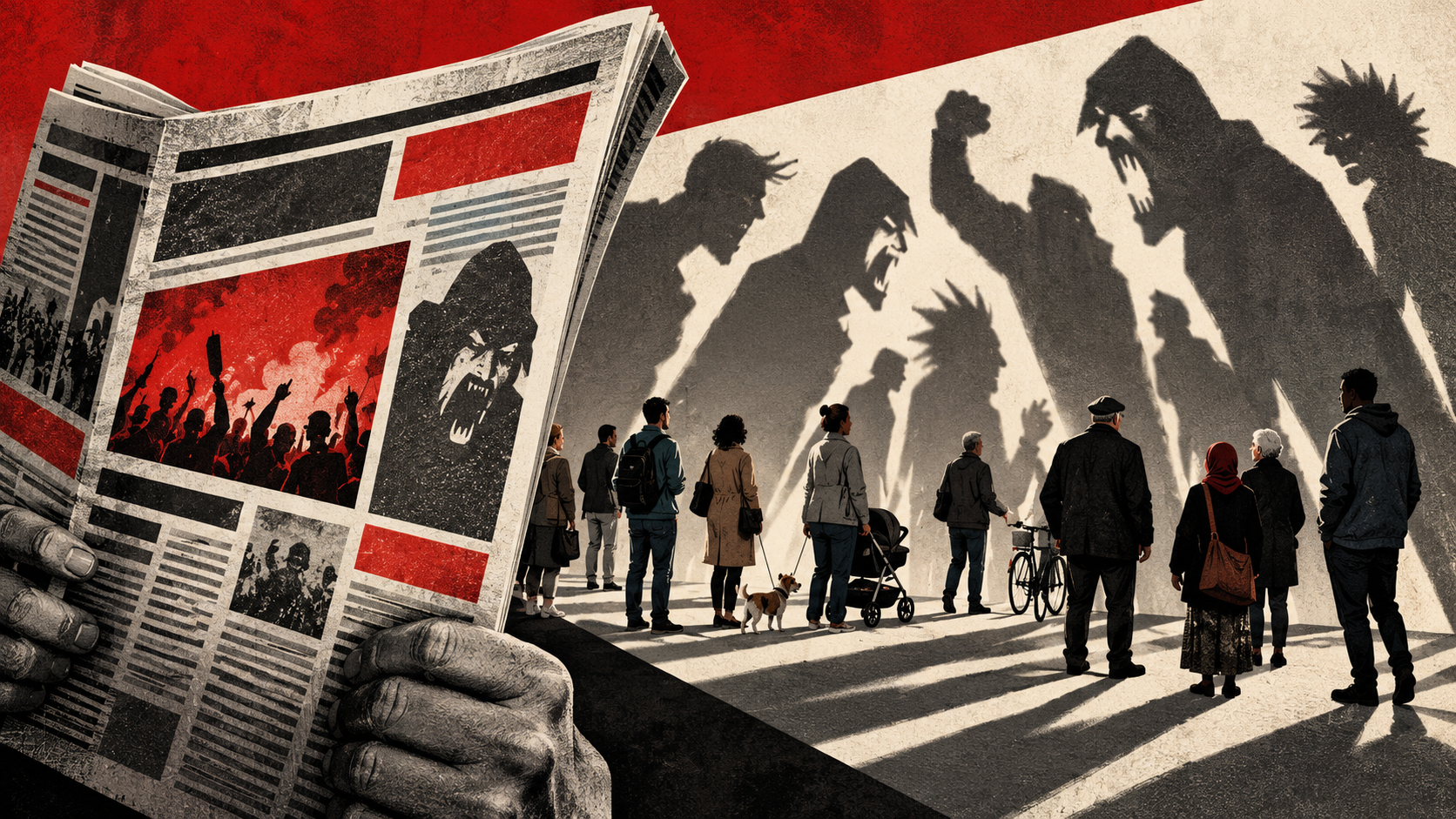
Sarah Vine’s riot commentary turns legitimate concern for victims into a sweeping political indictment. Readers deserve evidence, explanation and individual accountability.
Our first YouTube documentary is now live How does propaganda turn fear into blame, and repetition into something that feels like truth? Our new video, How Propaganda Works: Fear, Scapegoating and the Manufacture of Enemies, examines how propaganda can shape public opinion through fear, scapegoating, repetition and misinformation – from historical examples to modern social … Read more