
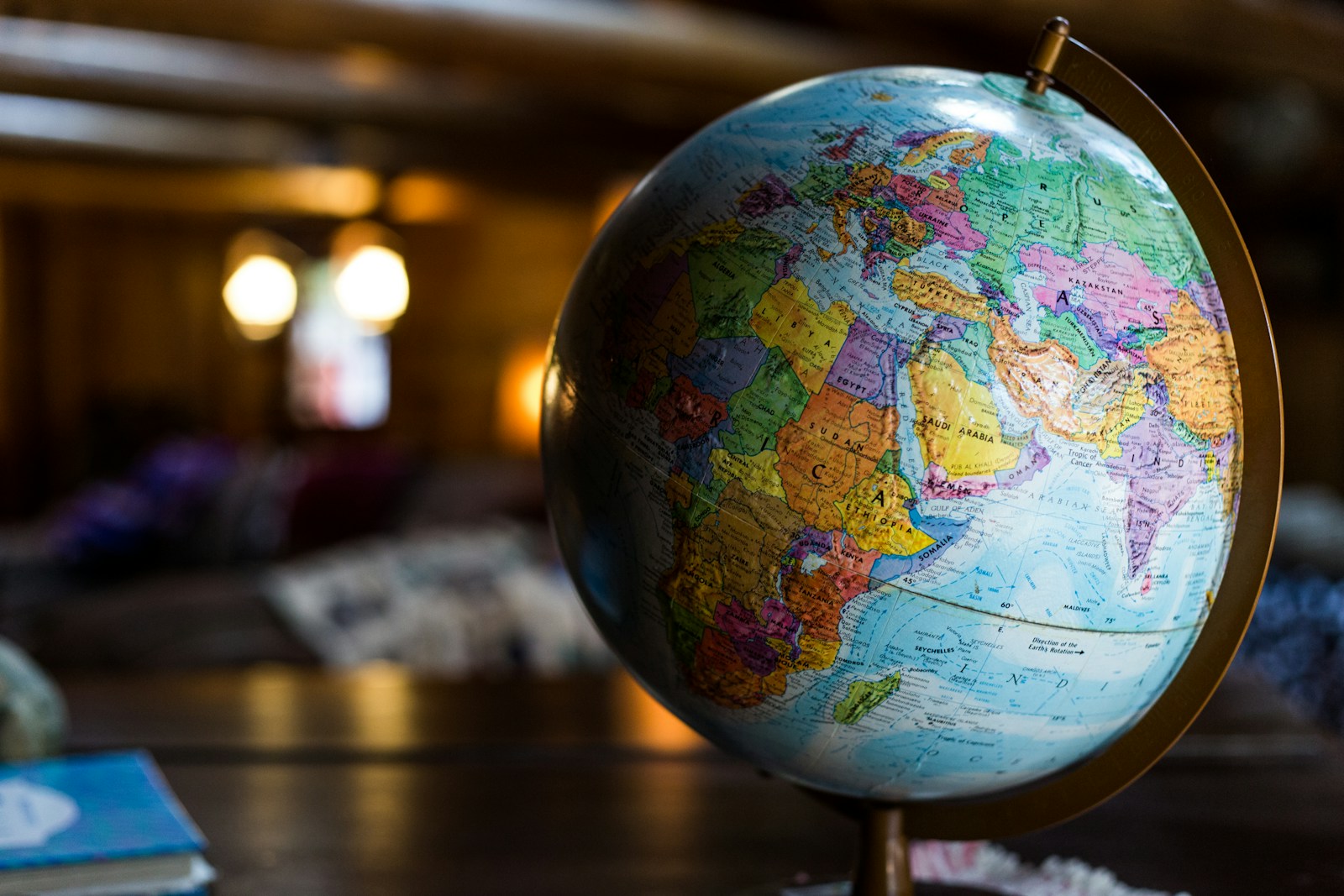
Updated: 5 October 2026. This overview draws on reporting available on that date. It covers selected major conflicts, rather than every armed conflict worldwide. Conditions and diplomatic negotiations can change quickly.
Behind every report of war are people trying to keep their families safe, find food, receive medical care and hold on to a home. Understanding today’s conflicts means looking beyond dramatic headlines to the different histories, political struggles and humanitarian needs involved.
Ukraine: a war with consequences beyond its borders
Russia’s full-scale invasion of Ukraine in February 2022 transformed a conflict already underway since 2014. Sovereignty, territory and the future security of Europe remain central issues. Recent United Nations reporting describes worsening danger for civilians and continuing attacks on energy infrastructure. Damage to electricity supplies affects heating, water and essential services as well as daily life.
International military support, sanctions and diplomatic efforts give this war a wider significance. Any assessment of possible escalation must distinguish an actual development from a prediction. Source: United Nations in Ukraine, including September 2026 updates.
Sudan: a struggle for power and a civilian catastrophe
War between the Sudanese Armed Forces and the Rapid Support Forces began in April 2023. The struggle for control has devastated communities and disrupted the institutions people depend on. Displacement, violence against civilians and damage to health care and food production have made survival increasingly difficult.
Sudan deserves sustained attention even when other wars dominate the news. The humanitarian emergency cannot be understood simply by watching which armed force controls a city. Access to food, protection and medical treatment matters just as much. Source: United Nations in Sudan and its 2026 humanitarian reporting.
Gaza and the West Bank: a ceasefire does not end suffering
OCHA’s report dated 25 September 2026 describes continuing violence and severe humanitarian needs in Gaza and the West Bank. It notes that assistance resumed after the ceasefire announced in October 2025, while conditions remained intolerable. Continuing strikes and military activity, restrictions on aid and shortages of essential medical supplies complicate recovery in Gaza.
In the West Bank, Israeli military operations, settler violence, demolitions and movement restrictions continue to disrupt communities and access to services. These are related but distinct situations: the presence of a ceasefire in Gaza should not be read as the end of the wider crisis. Source: OCHA humanitarian situation report, 25 September 2026.
Iran and the wider region: diplomacy amid war
Associated Press reported on 30 September 2026 that Iran had received a United States response to its latest proposal to end the war. The terms were not publicly disclosed. The report described continuing indirect diplomacy involving regional mediators. A proposal or diplomatic exchange is a step in negotiations; it is not evidence that a lasting settlement has been reached.
Conflict involving Iran, Israel and the United States raises concerns about civilian safety and the possibility of wider regional involvement. Disruption around major shipping routes can also affect countries far from the fighting. Source: Associated Press, 30 September 2026.
Eastern Democratic Republic of the Congo: insecurity and displacement
Eastern Congo’s conflict involves armed groups, contested authority and regional tensions. United Nations reporting highlights the expansion of AFC/M23 in North and South Kivu and the consequences for civilians. Repeated displacement can leave families without reliable shelter, livelihoods or health care.
Mineral wealth is part of the wider context, but reducing the conflict to resources alone overlooks local grievances, political power and regional involvement. Source: United Nations background on the crisis in the DRC.
Myanmar: prolonged conflict and danger to communities
Since the military coup in February 2021, Myanmar has faced extensive armed resistance and conflict involving the military, ethnic armed organisations and other opposition forces. Fighting takes different forms across the country, making a single national description incomplete.
The UN’s September 2026 reporting includes concern over deadly strikes at a market in Rakhine. Conflict and disasters have also placed pressure on health care. Civilian protection remains essential regardless of which force controls an area. Source: United Nations in Myanmar, September 2026 reporting.
Yemen and northern Ethiopia: crises that also need attention
Yemen’s prolonged conflict and political fragmentation have weakened livelihoods and public services. Recent UN reporting describes renewed escalation and growing pressure on health care and food security. Source: United Nations in Yemen.
On 25 September 2026, the United Nations also warned about spreading fighting in northern Ethiopia and disruption to humanitarian assistance. That warning is a reminder that developments outside the most prominent headlines deserve careful monitoring. Source: United Nations, 25 September 2026.
What these conflicts mean for the wider world
These wars have different causes and should not be treated as one coordinated event. Their consequences can nevertheless overlap: displacement, interrupted trade, pressure on aid budgets and damage to food and energy systems. These are pathways through which local fighting can create international risks; they do not make a wider war inevitable.
For civilians, the effects often continue long after the fighting subsides. Rebuilding homes, restoring schools and treating physical and psychological injuries require sustained resources and security. A peace announcement is the beginning of that work, not its completion.
Reading the news with care
Check the date of a report, distinguish confirmed events from allegations and compare reliable sources. Casualty figures and accounts of responsibility may be incomplete or disputed. This overview avoids a running death toll because figures change and are not directly comparable between conflicts.
Readers interested in prophecy may reflect on the language of “wars and rumours of wars”. Such reflection should remain separate from factual reporting. The existence of war does not establish a prophetic timetable. Compassion, careful inquiry and concern for those affected provide a sound starting point.
What to read next
What the Doomsday Clock Actually Measures
The Prophecies That Shaped History
Editorial note: This is a dated overview, not a live news feed. The linked sources provide further detail and subsequent updates. Lead photograph: Kyle Glenn / Unsplash.