
Reform’s Economic Rescue Plan Has a £56 Billion Problem
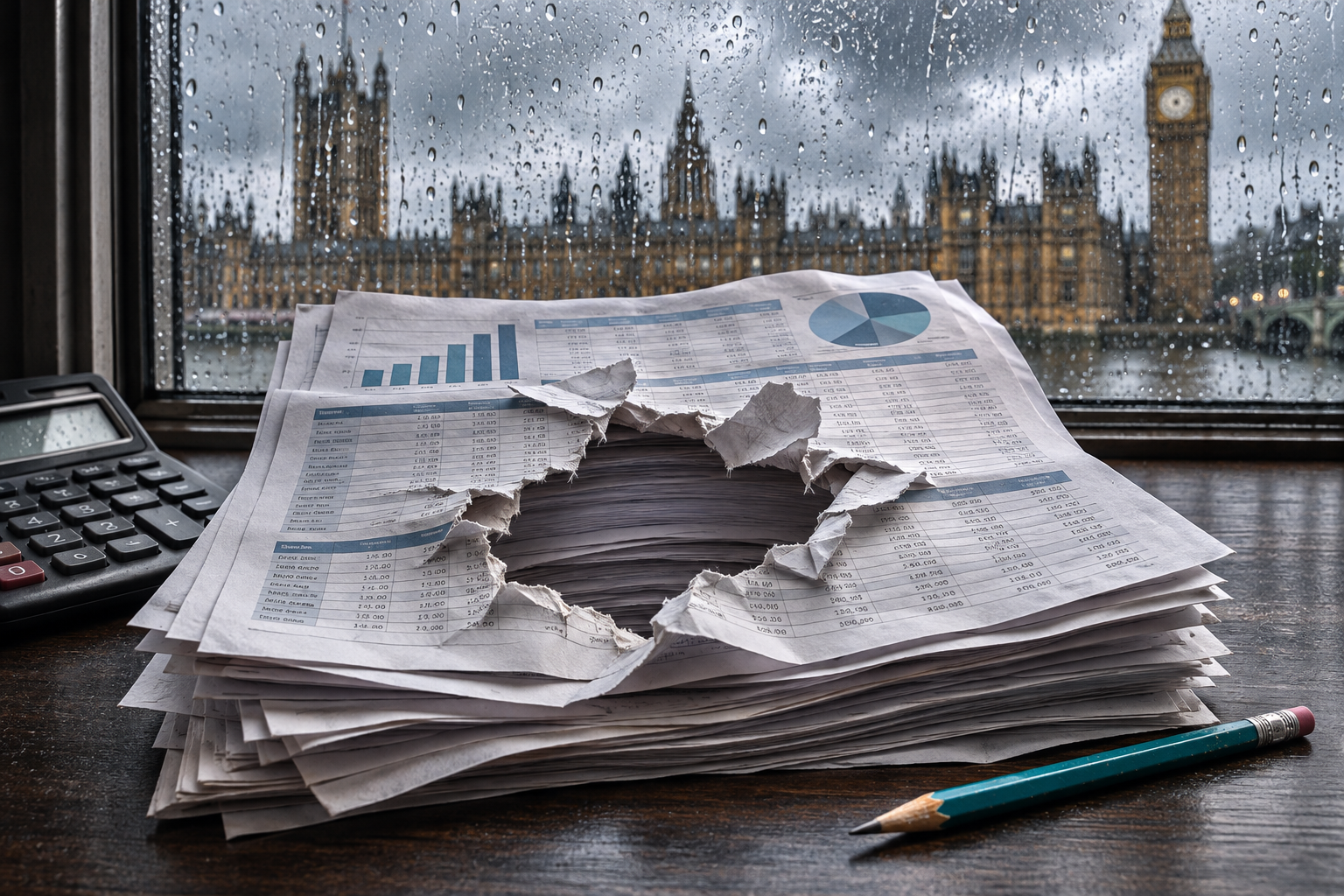
Reform UK promises lower taxes and lower borrowing. Its own fiscal tables show how much depends on nearly £56 billion a year in welfare savings.
Current conflicts, international developments and their human consequences.
Reform UK promises lower taxes and lower borrowing. Its own fiscal tables show how much depends on nearly £56 billion a year in welfare savings.

The Conservatives’ claim to be the party of fiscal responsibility is wrong. Britain’s economic record from Thatcher to Sunak shows why.
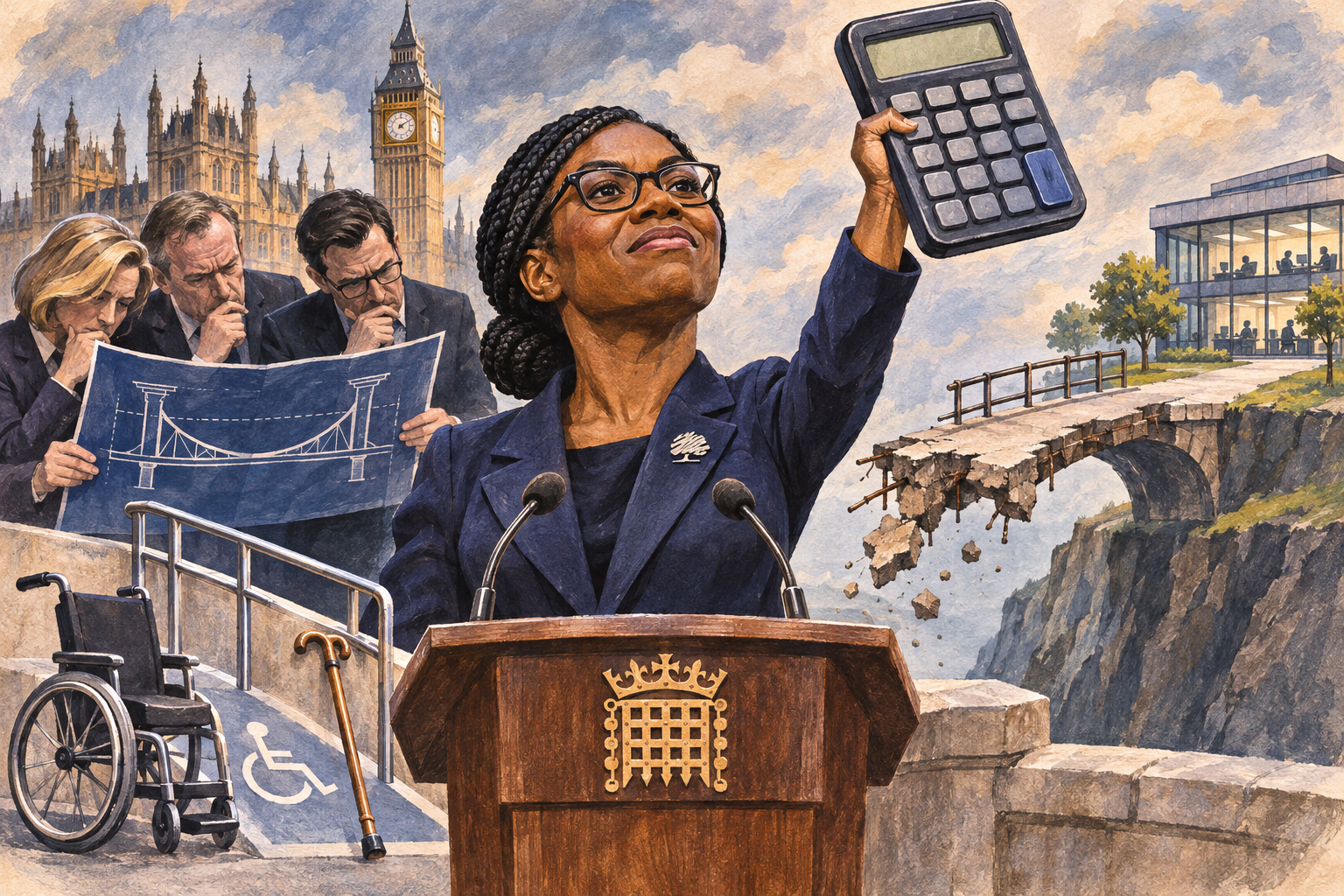
Kemi Badenoch’s £36.1bn welfare plan puts the savings first. Who loses support, what happens to employment, and why should voters trust the Conservatives to deliver it?

Stephen Miller’s promotion puts his record back under scrutiny, from family separation and mass immigration arrests to his proposal to suspend habeas corpus.

A home can become financially impossible to live in before it is physically destroyed. An in-depth examination of climate risk, insurance retreat, mortgages and who pays—from Norfolk to California and Australia.

North Korean cyber theft deserves scrutiny. So do the banking systems, implementation failures and management decisions that leave opportunities for harm.

Alaska’s two-Sullivan dispute raises a basic democratic question: when candidates are clearly distinguished, what justifies treating voters’ recorded choices as mistakes?

From printer ink and creative software to games and connected cars, recurring access is changing what ownership means. What still works when the payments—or the servers—stop?

Money, platforms and essential infrastructure: examining how Elon Musk’s overlapping sources of influence test democratic accountability—and where that influence has limits.

Who really has political power? A substantial examination of ownership, markets, China, party choice, campaign finance and whether democratic claims withstand scrutiny of citizens’ actual influence.