
Thwaites Glacier: The Slow Disaster Behind the ‘Doomsday’ Name
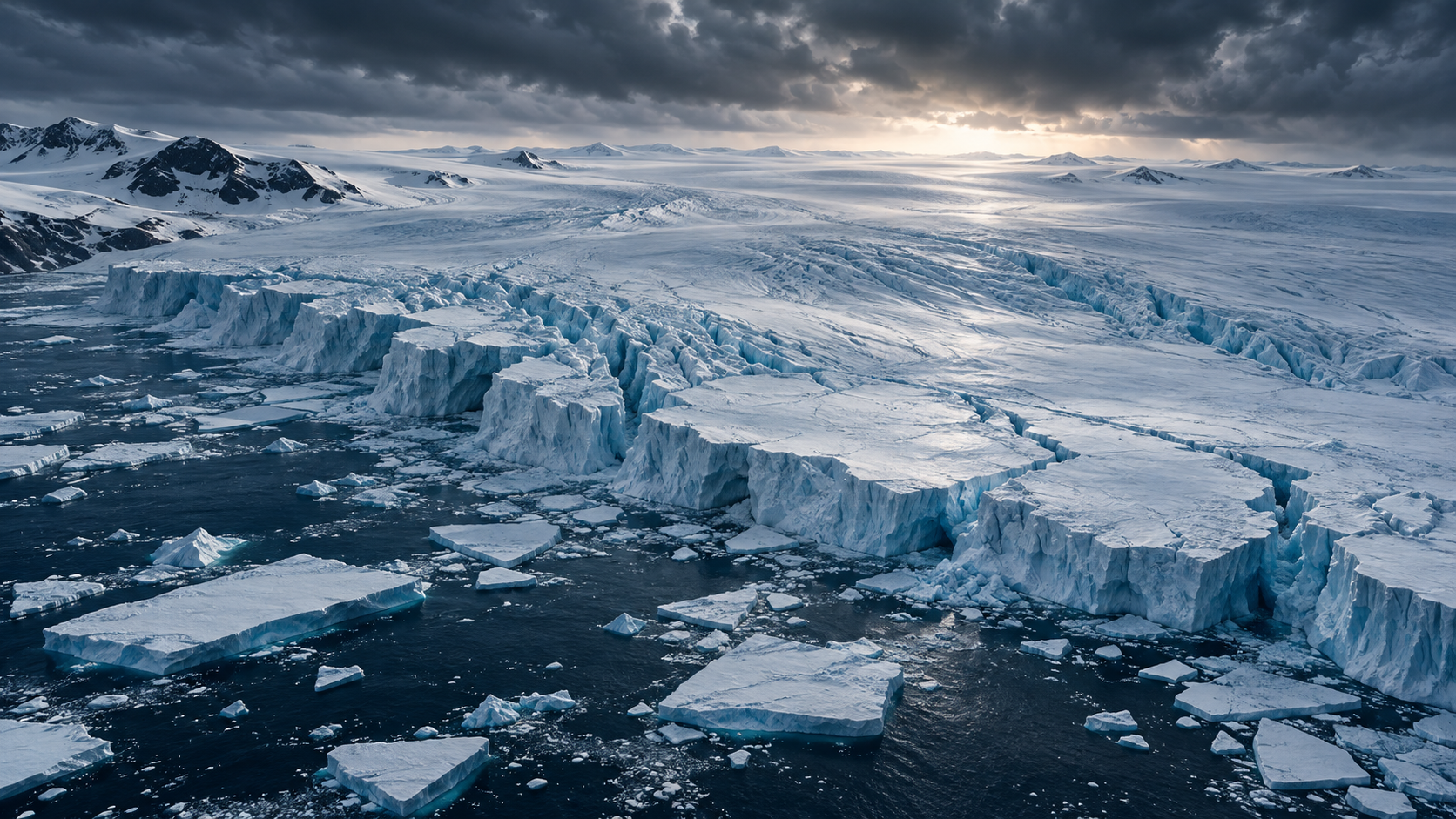
Thwaites is not a countdown to an overnight apocalypse. The latest research reveals something more unsettling: ice loss that can outlast the changes that triggered it.
Thwaites is not a countdown to an overnight apocalypse. The latest research reveals something more unsettling: ice loss that can outlast the changes that triggered it.
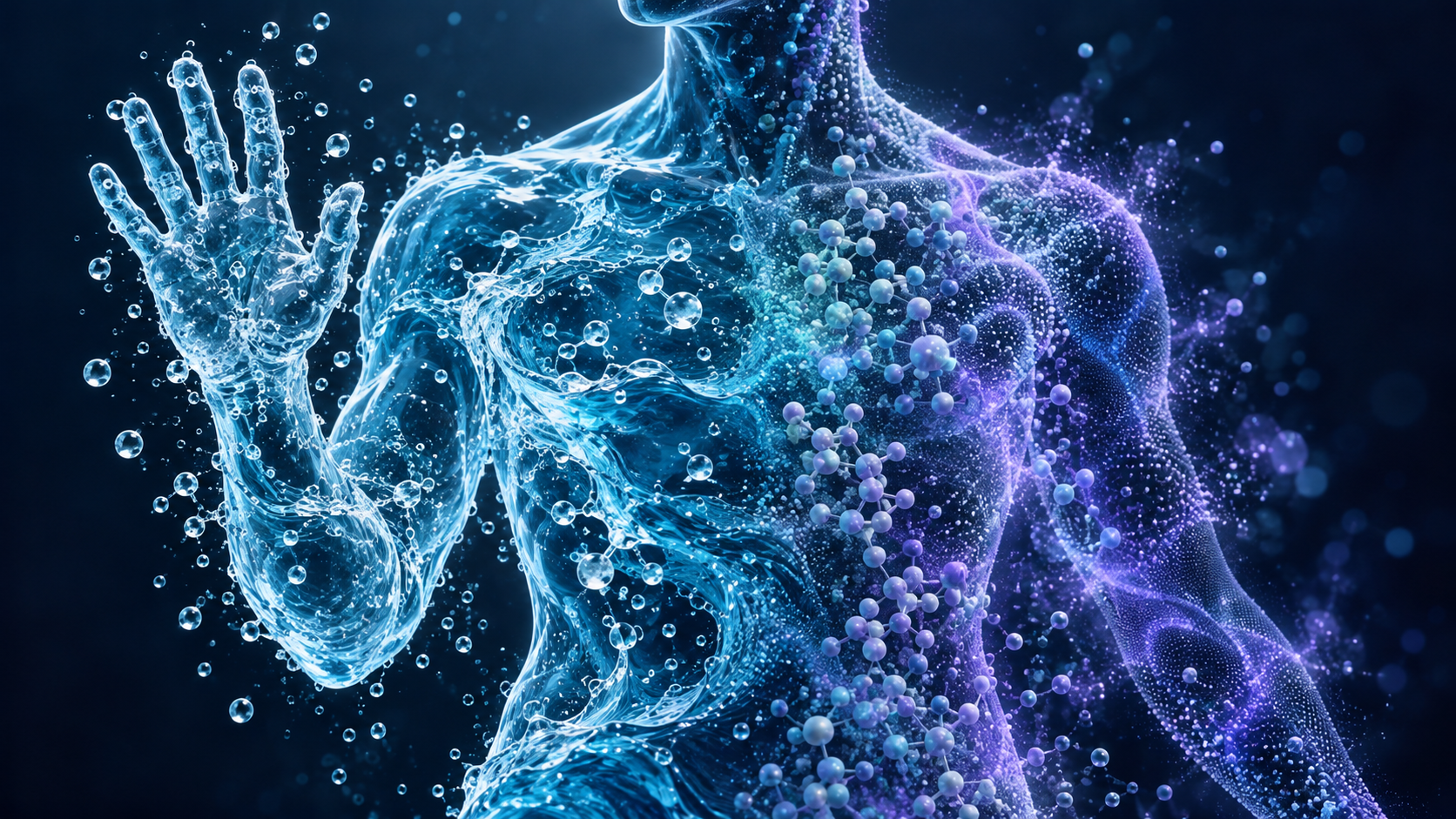
Water by mass, tiny atomic nuclei and the sensation of solidity: how biological and quantum descriptions of the body can fit together, and where ‘made of nothing’ misleads.
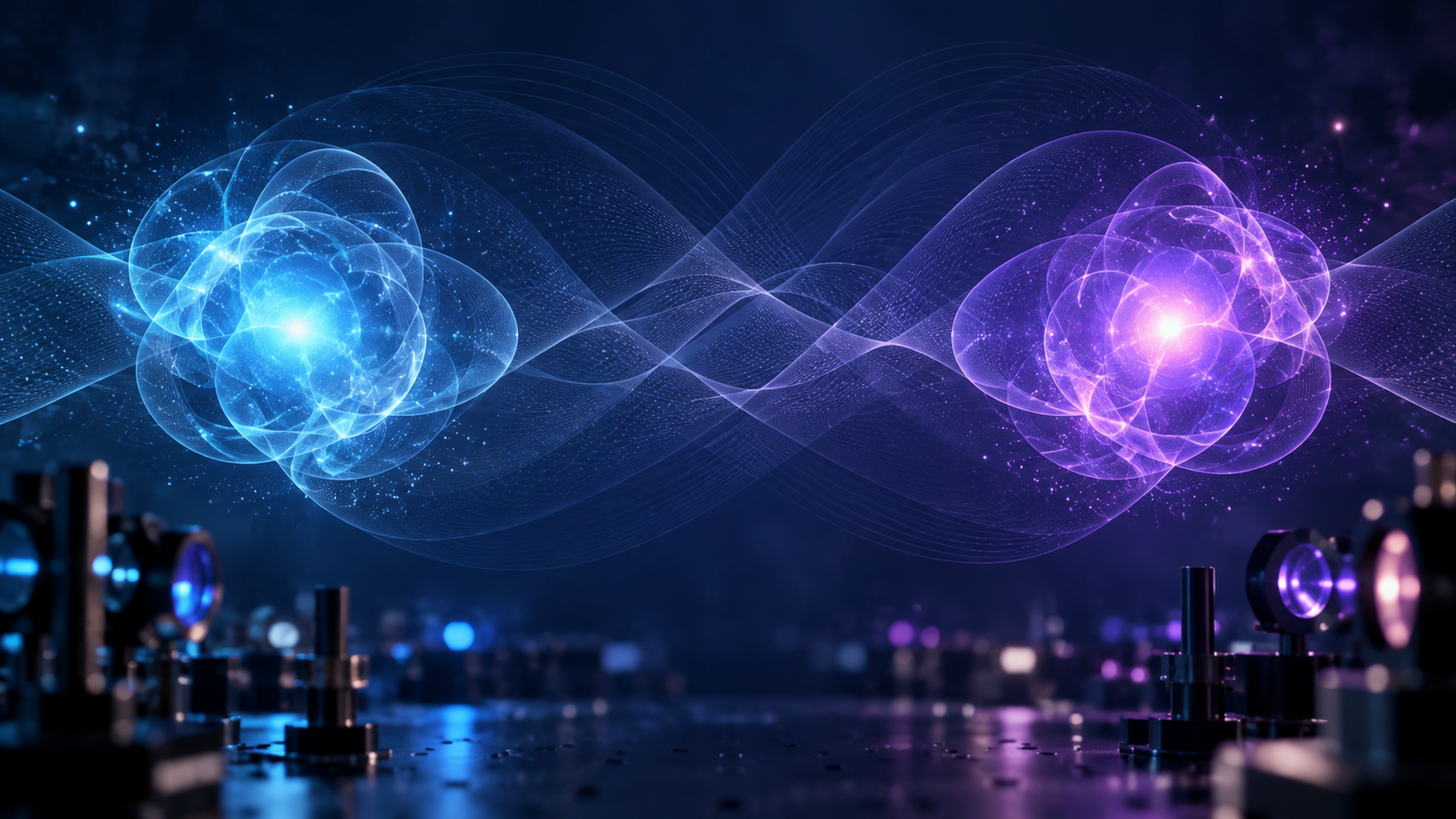
Entanglement challenges our picture of separated objects. What do Bell tests establish, why can’t it send faster-than-light messages, and what remains a question of interpretation?

What does ‘potentially hazardous’ really mean? How scientists calculate asteroid impact risks, why probabilities change, and what NASA’s DART mission demonstrated.
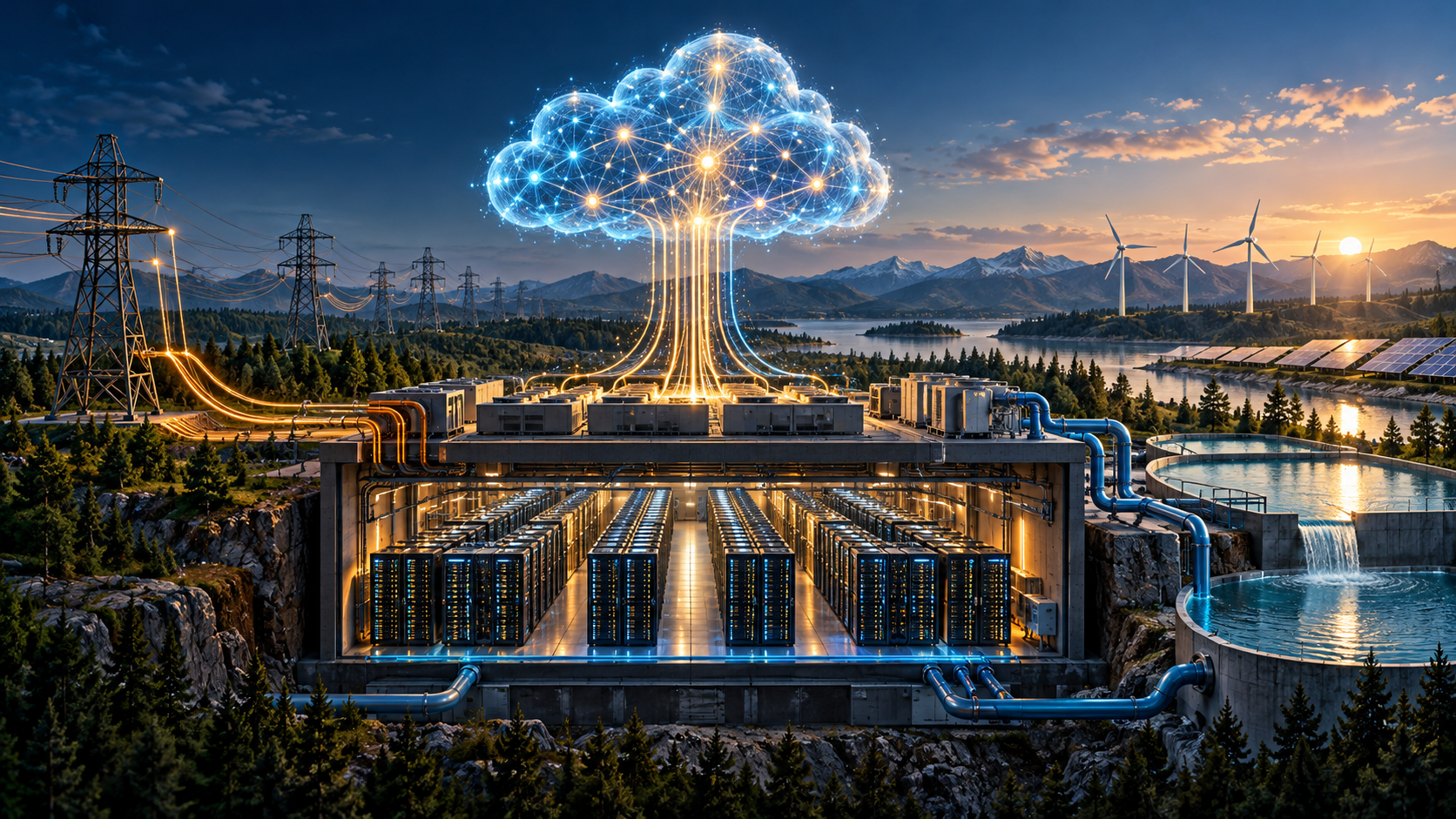
AI feels weightless on screen, but its electricity, water and infrastructure demands are real. What do the latest figures tell us—and who should bear the costs?
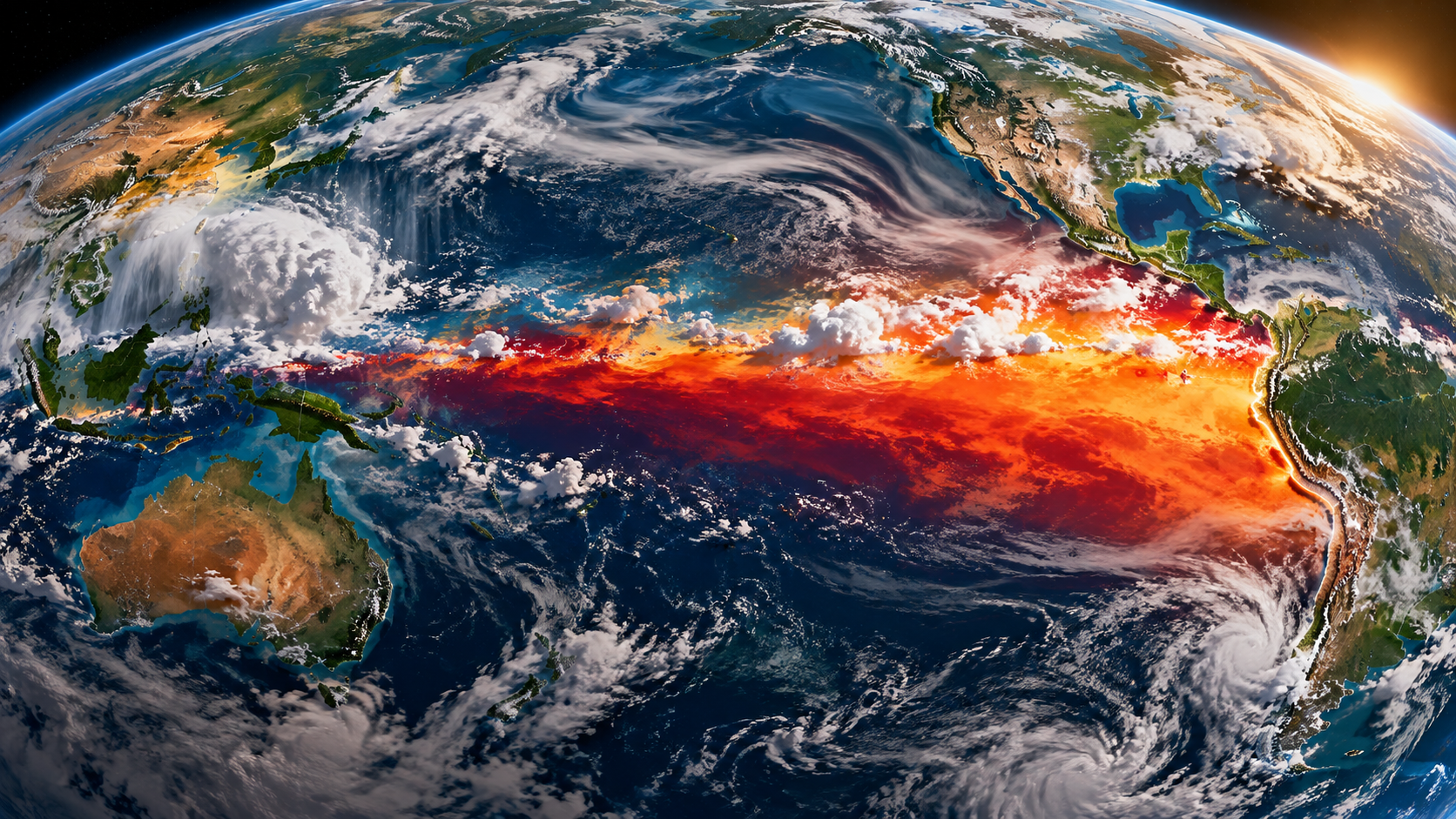
El Niño begins in the tropical Pacific, but its effects can reach across the planet. We examine how ENSO works, what it can and cannot cause, and why the powerful 2026 event matters.
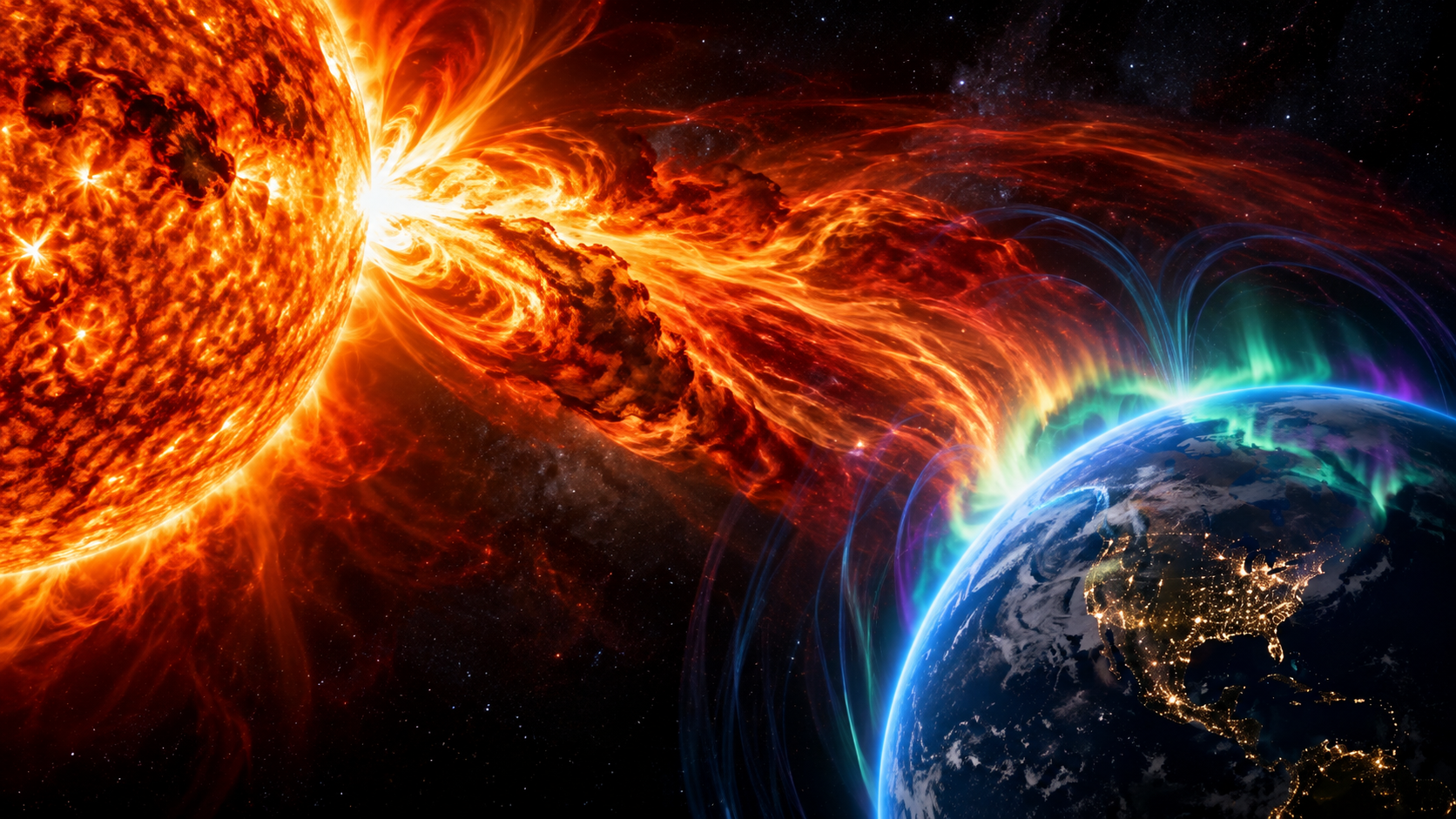
In 1859, a solar storm sent electrical currents surging through telegraph systems around the world. What would happen if a storm of similar magnitude struck our technology-dependent civilisation today?
Explore what comets are, Halley’s testable prediction, the comet of 1066 and the difference between a celestial spectacle, an omen and an impact risk.

Discover how solar flares, coronal mass ejections and geomagnetic storms differ, what they can affect on Earth, and how to read space weather warnings.
Learn how to read our climate meter: temperature anomalies, reference periods, monthly updates and the difference between a single reading and long-term warming.