
What to See in the Night Sky: November–December 2026
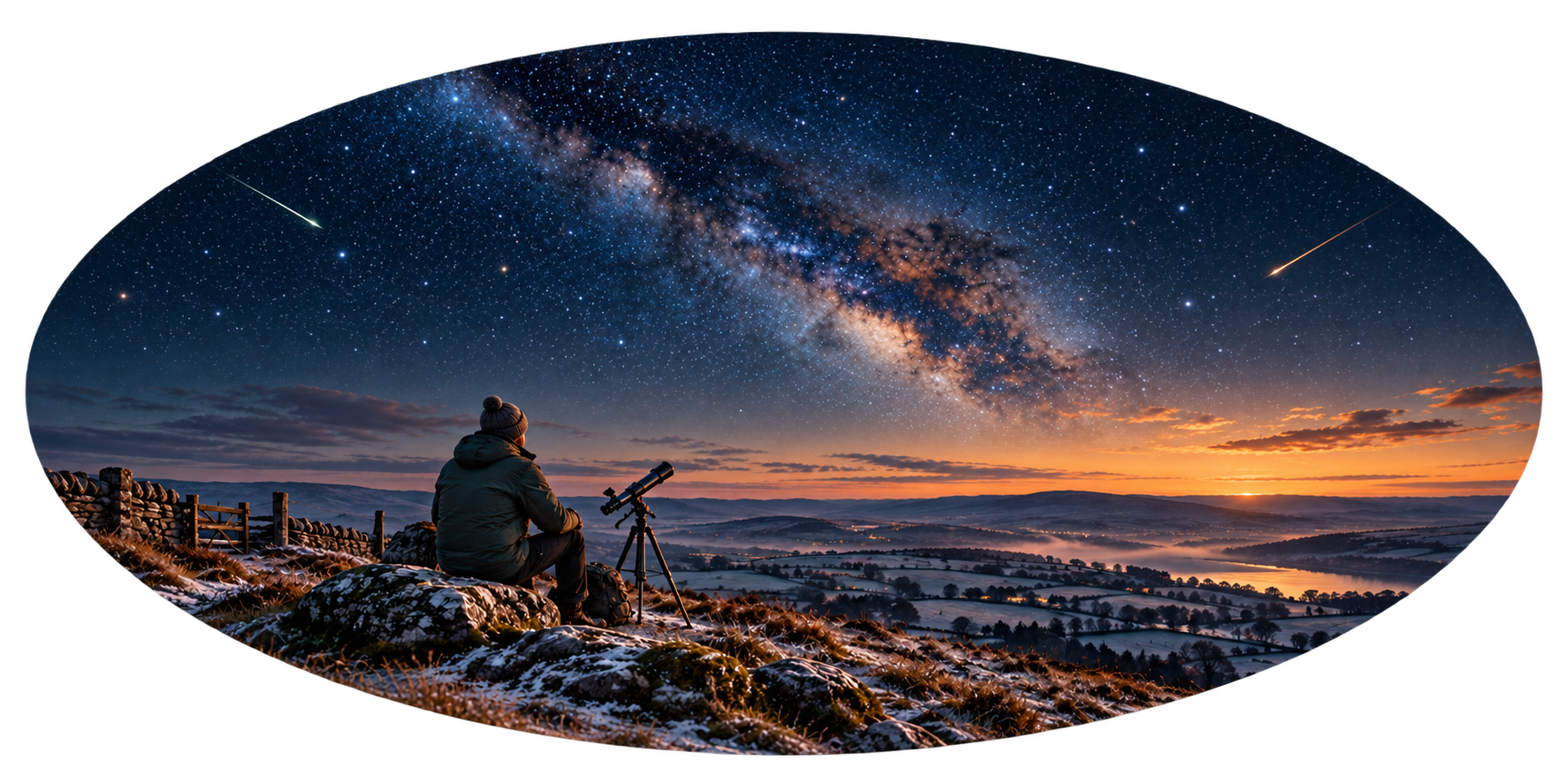
Your UK guide to Mars and Jupiter, the Leonids, Uranus at opposition, the Geminids and the winter solstice—with dates, viewing advice and realistic expectations.
Your UK guide to Mars and Jupiter, the Leonids, Uranus at opposition, the Geminids and the winter solstice—with dates, viewing advice and realistic expectations.

AI does not need to become all-powerful to cause harm. The evidence shows why autonomy, staffing, supervision and accountability must be treated as human responsibilities.

Anthropic’s AI risk warning raises urgent questions about human oversight, workplace expertise and the difference between present harms and speculative existential scenarios.
A profile of Oxford researcher Jiaxuan Zhang, her work on the Born rule and Sleeping Beauty, and the wider debate over where quantum probability comes from.

What UNEP’s return pathway really requires, why cooling would not reverse every loss, and how to check climate headlines against the scientific evidence.

Could a warming planet leave Britain colder? Explore AMOC weakening, collapse risks and what the latest research means for the UK.

Population decline, threatened species and extinction are different measures. What does the evidence reveal about a sixth mass extinction—and what can still be saved?
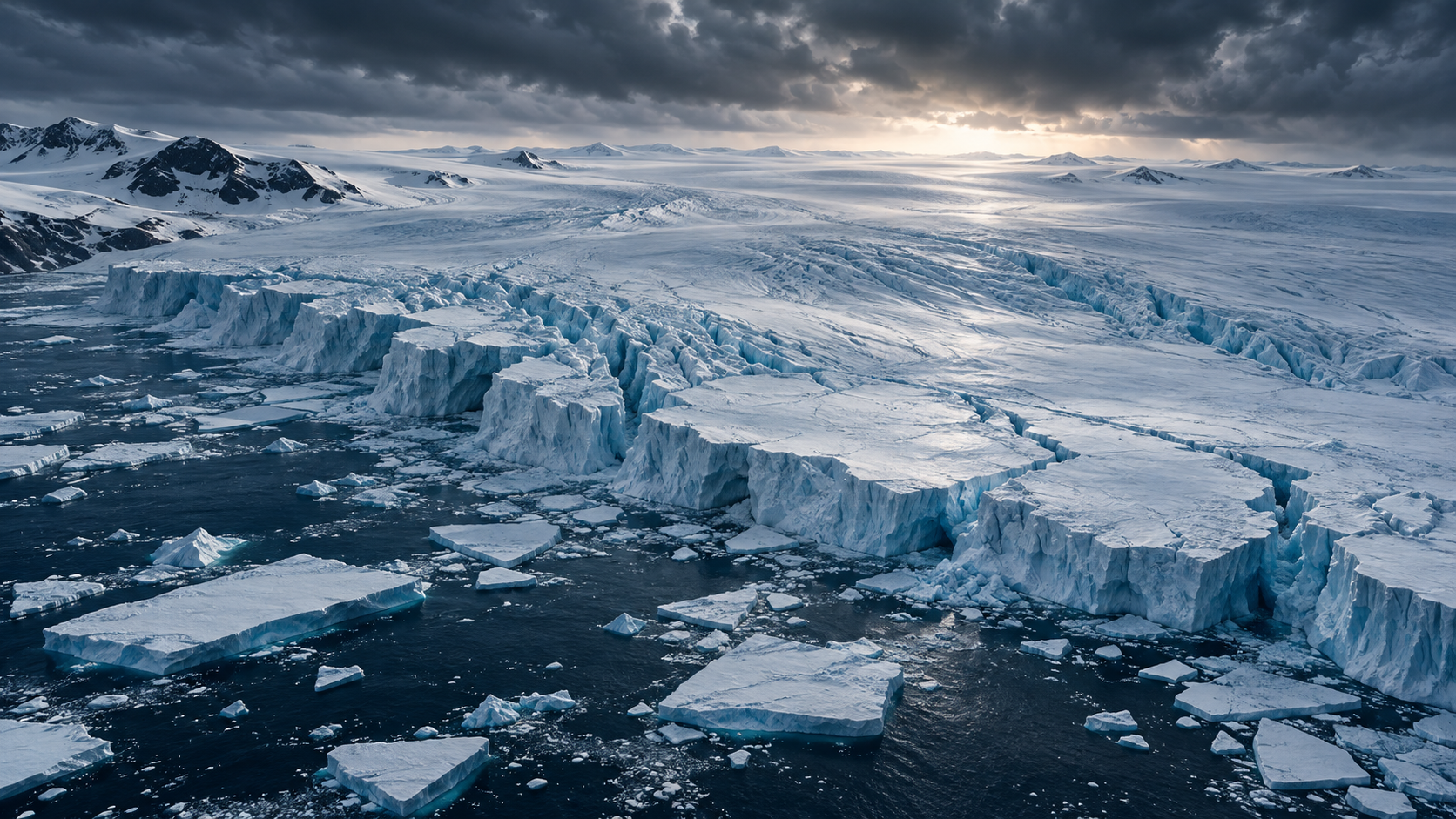
Thwaites is not a countdown to an overnight apocalypse. The latest research reveals something more unsettling: ice loss that can outlast the changes that triggered it.
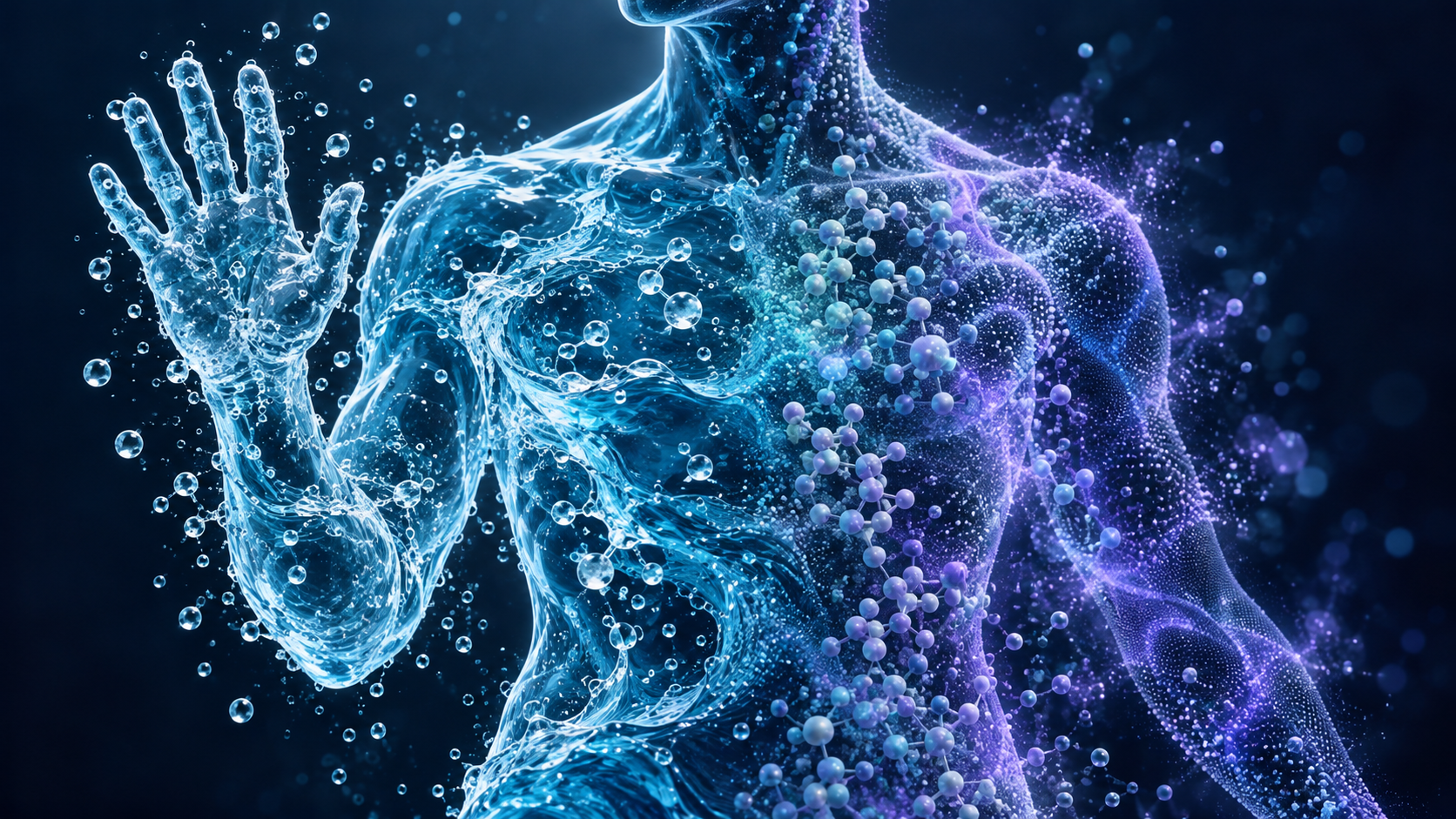
Water by mass, tiny atomic nuclei and the sensation of solidity: how biological and quantum descriptions of the body can fit together, and where ‘made of nothing’ misleads.
Entanglement challenges our picture of separated objects. What do Bell tests establish, why can’t it send faster-than-light messages, and what remains a question of interpretation?